Description
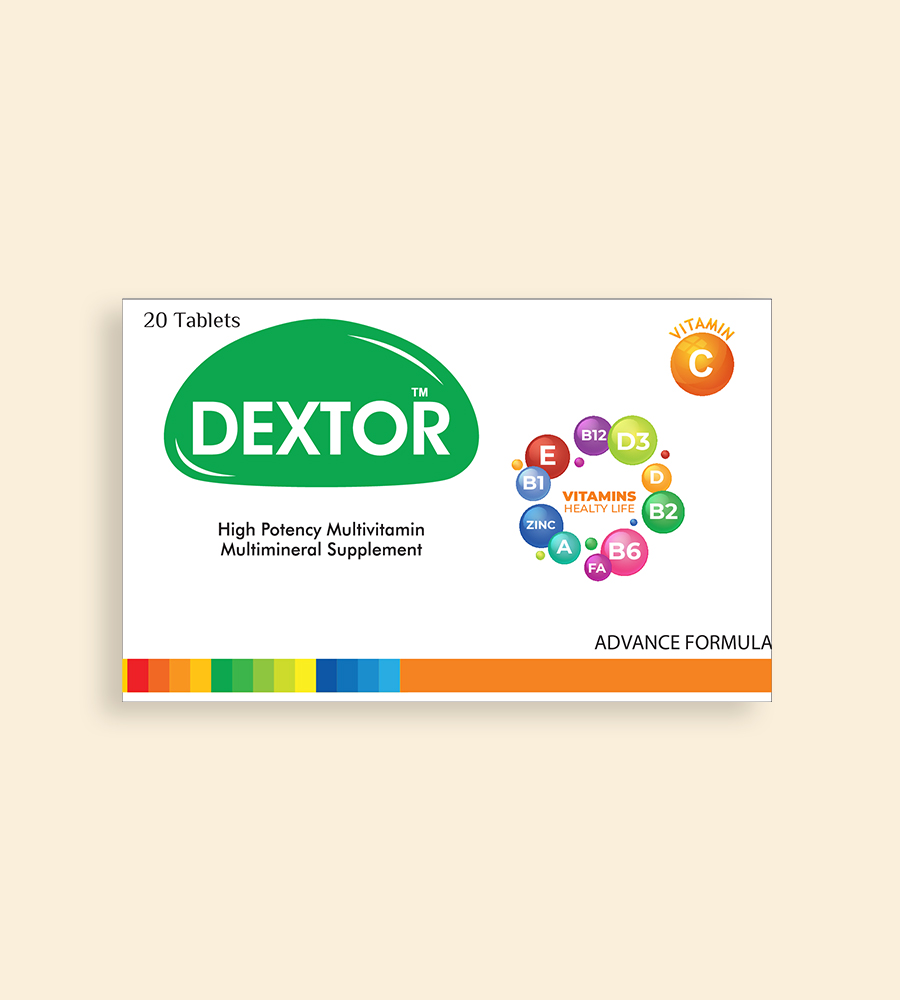
DEXTOR
Multivitamins are used to help ensure you’re getting enough essential vitamins and minerals when your diet might not provide them, or to help treat vitamin deficiencies.
Here’s a more detailed explanation of what multivitamins are good for:
-
Addressing Nutritional Gaps:
Multivitamins can help fill potential gaps in your diet, ensuring you’re getting a balanced intake of essential nutrients.
-
Treating Vitamin Deficiencies:
They can be used to treat or prevent deficiencies caused by poor diet, certain illnesses, pregnancy, or digestive disorders.
-
Supporting Overall Health:
By providing a range of vitamins and minerals, multivitamins can contribute to overall health and well-being.
-
Boosting Immunity:
Some vitamins, like A, C, D, and E, are crucial for a healthy immune system, and multivitamins can help ensure adequate intake of these.
-
Specific Needs:
Certain groups, like pregnant women, vegans, or those with specific dietary restrictions, may benefit from multivitamins to meet their unique needs.
-
General Health:
Multivitamins can help maintain muscle strength, support heart health, and improve energy levels.
-
Not a Replacement for a Balanced Diet:
It’s important to remember that multivitamins are not a substitute for a healthy, balanced diet.
Health Benefits of Multivitamin Supplementation
Multivitamin supplements can help you get the recommended amounts of essential vitamins and minerals your body needs and may offer additional health benefits. Here are some of the top benefits you can experience from taking multivitamin tablets:
-
Increases Energy Levels
Providing sustained energy is one crucial benefit as B vitamins allow carbohydrates, fats and proteins ingested through diet to be metabolised into usable fuel, keeping us energised and productive each day. This can counteract fatigue, especially for those with nutritional deficiencies.
-
Boosts the Immune System
A robust immune response relies on adequate levels of vitamins C, D and zinc which multivitamins supply. These support immune cell development and performance, helping fight colds, flus and other illnesses. These provide invaluable assistance during chilly, virus-prone winter months.
-
Keeps Heart Healthy
Heart health also depends on vitamins, including B1, B2, B6 and mineral magnesium, which multivitamins provide. They help regulate blood pressure and cholesterol while improving circulation, contributing to long-term cardiovascular protection and resilience. Other multivitamins that are good for the heart include omega-3s, fibre, folate, and coenzyme Q10. Routine supplementation may go some way in guarding this vital organ.
-
Supports Eye Health
Vision is one of the most critical senses, and maintaining eye health is essential. The antioxidants in multivitamins such as vitamins A, C, E, omega-3 fatty acids, and minerals like zinc and selenium can protect against age-related macular degeneration and cataracts by shielding the eyes from damage caused by free radicals.
-
Maintains Muscle Strength and Function
As we grow older, keeping muscle strength and function is increasingly significant. A multivitamin containing vitamin D, calcium, and magnesium can help retain muscle mass and function, decreasing the danger of falls and fractures. These essential nutrients are necessary for muscle performance and bone strength, making them beneficial for active and older adults.
-
May Lessen Cancer Risk
Some research suggests taking a multivitamin may lower the probability of certain cancers by offering the body antioxidants that protect cells from damage. Vitamins like C, E, and selenium have been connected to reduced cancer risk by neutralising free radicals that can lead to malignant mutations.
-
Improves Brain Health
Cognitive function is crucial, particularly as we age. Multivitamins enriched with B vitamins, omega-3 fatty acids, and antioxidants for example vitamins E and C can assist brain performance. These nutrients are necessary for maintaining memory, focus, and overall cognitive health, potentially decreasing the danger of neurodegenerative conditions.
-
Alleviates Stress and Depression
Nutrients including the B-complex vitamins, particularly B6, B12, and folic acid, play a significant role in mood regulation and relieving stress levels. A multivitamin containing these nutrients can help relieve symptoms of stress and depression by supporting the production of neurotransmitters such as serotonin and dopamine, which are important for mental health.
-
Beneficial for Skin
A glowing, healthy complexion is reflective of internal wellness. The type of multivitamin you choose depends on your concern. If you are concerned about the wrinkle and fine lines, the multivitamins containing vitamins A, C, E, collagen and biotin help. These multivitamins nourish the skin from within, promoting collagen synthesis, and shielding against sunlight’s damaging effects. These nutrients maintain supply elasticity and youthful radiance. For acne-prone skin Vitamin A, E and zinc works best. For dry and dehydrated skin the combination of Vitamin D, E, and omega-3 fatty acids works best. For hyperpigmented skin, the combination of Vitamin C, B3 and E works best.
-
Good for Healthy Hair
Hair health is commonly connected to nutritional status. For healthy hair, consider multivitamins that include biotin, vitamin D, vitamin E, zinc, and iron. These nutrients support hair growth, strengthen strands, lessen shedding, and spur growth. These ingredients deliver the fundamental building blocks for strong, lustrous follicles that preserve hair’s integrity over time.
Types of Multivitamins
Multivitamins come in a variety of forms, carefully crafted to accommodate diverse health needs for all age groups. Here are some prevalent types of multivitamins:
-
General Multivitamins: These are intended for holistic wellness, these contain balanced mixtures of essential vitamins and minerals to sustain daily nutritional demands.
-
Men’s Multivitamins: These are specifically formulated to satisfy men’s particular health needs. These supplements include nutrients like zinc, magnesium, and vitamins B12 and D for muscle robustness, and heart health.
-
Women’s Multivitamins: Tailored for females, these commonly include iron, calcium, and folic acid to strengthen bone health, hormonal balance, and procreative health.
-
Prenatal Multivitamins:Exclusively for expectant mothers, these multivitamin tablets benefit both mothers and the developing infant. These hold higher quantities of folic acid, iron, and DHA that are good during pregnancy.
-
Children’s Multivitamins: Specially formulated for children, these often come in chewable or gummy shapes and embrace vitamins A, C, D, and calcium for brain, muscles, bones and to boost appetite.
-
Senior Multivitamins:Intended for older adults, these usually include adequate levels of vitamin D, B12, and calcium to assist bone health, cognitive work, and energy levels.
-
Specialised Multivitamins: Aimed at precise health goals, such as hair, skin, and nails, immunity, or athletic performance, these contain special nutrients to meet one’s needs.
-
Vegan/Vegetarian Multivitamins:These contain plant-based nutrients for those following a vegan or vegetarian diet.
Ingredient
-
Vitamin A: Essential for vision, immune function, and skin health.
-
Vitamin D-3: Crucial for bone health, immune function, and mood regulation.
-
Vitamin B-1 (Thiamin): Necessary for energy production and nerve function.
-
Vitamin B-2 (Riboflavin): Important for energy production, vision health, and immune function.
-
Vitamin B-6: Involved in many bodily processes, including energy production, nerve function, and immune system support.
-
Vitamin B-12: Essential for energy production, nerve function, and the formation of red blood cells.
-
Vitamin E: Antioxidant properties help protect cells from damage.
-
Vitamin C: Essential for immune function, collagen production, and iron absorption.
-
Folic Acid: Crucial for fetal development during pregnancy and supporting red blood cell production.
-
Magnesium Sulphate: Important for muscle and nerve function, supporting heart health and bone density.
-
Copper Sulphate: Essential for connective tissue health, supporting immune function and brain health.
-
Zinc Sulphate: Necessary for immune function, wound healing, and protein synthesis.
-
Ferrous Sulphate: Essential for healthy red blood cells, preventing anemia and supporting energy production.
-
Potassium Chloride: Important for heart health, supporting blood pressure regulation and muscle function.
-
Sodium Selenite: Essential for antioxidant defenses, supporting immune function and thyroid health.
-
Calcium Carbonate: Crucial for bone health, supporting bone density and preventing osteoporosis.
-
Phosphorus: Necessary for bone health, supporting energy production and nerve function.
Common Side Effects:
-
Nausea and Vomiting: Multivitamins can cause stomach upset, especially when taken on an empty stomach.
-
Diarrhea: Some multivitamins can cause diarrhea, especially those containing high amounts of vitamin C or magnesium.
-
Abdominal Cramps: Multivitamins can cause stomach cramps, bloating, and gas.
-
Headaches: Some people may experience headaches or migraines after taking multivitamins.
-
Fatigue: Iron and other minerals in multivitamins can cause fatigue, especially when taken in high doses.
Less Common Side Effects:
-
Allergic Reactions: Some people may be allergic to certain ingredients in multivitamins, such as artificial colors or preservatives.
-
Skin Rash: Multivitamins can cause skin rashes, itching, or hives.
-
Hair Loss: High doses of vitamin A or other nutrients can cause hair loss.
-
Numbness or Tingling: Multivitamins can cause numbness or tingling sensations in the hands and feet.
-
Interactions with Medications: Multivitamins can interact with certain medications, such as blood thinners, and decrease their effectiveness.
Rare but Serious Side Effects:
-
Iron Overload: Taking high doses of iron can lead to iron overload, which can cause liver damage, heart problems, and other complications.
-
Vitamin A Toxicity: High doses of vitamin A can cause headaches, dizziness, nausea, and liver damage.
-
Calcium Kidney Stones: Taking high doses of calcium can increase the risk of developing kidney stones.


Reviews
There are no reviews yet.