Description
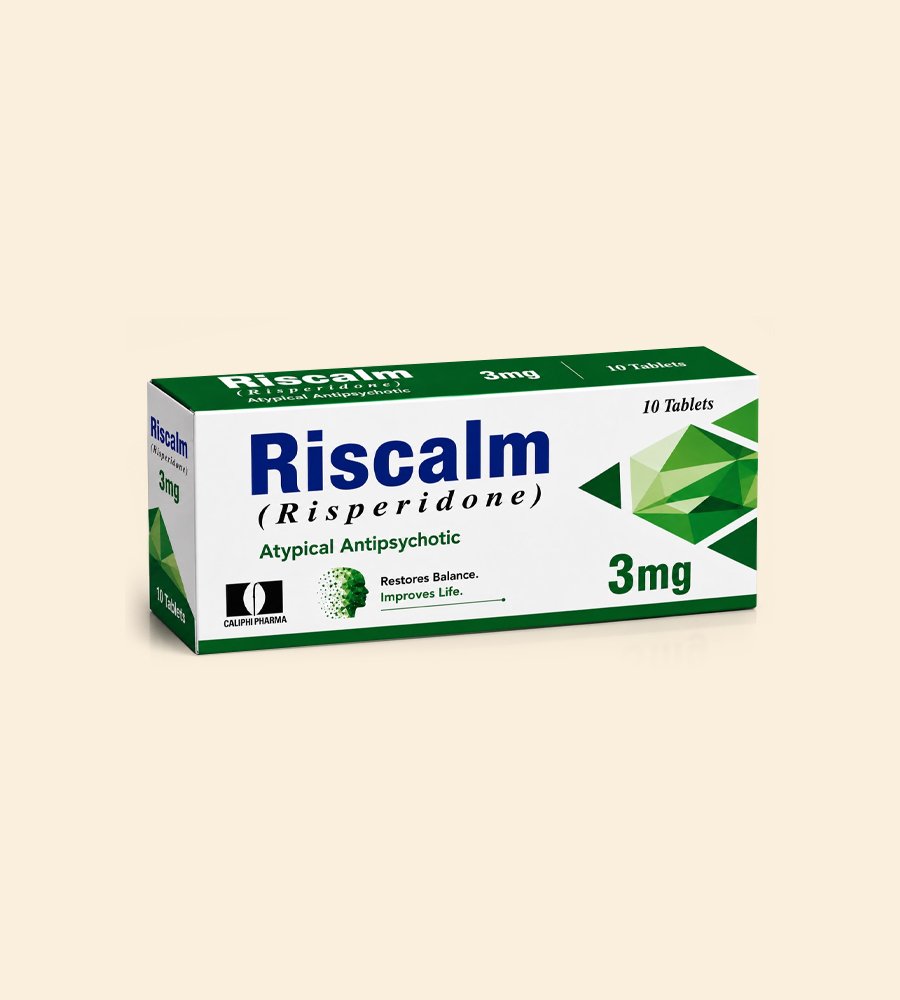
RISCALM 3 mg Tablets
Active ingredient: Risperidone 3 mg
Dosage form: Tablet
Pack shown: 10 tablets
Drug class: Atypical (second-generation) antipsychotic
Risperidone is a prescription medicine used for certain psychiatric conditions, including schizophrenia and bipolar mania.
1. Indications
Risperidone may be prescribed for:
- Schizophrenia
- Bipolar I disorder — manic or mixed episodes
- Irritability associated with autistic disorder in certain approved age groups
- Certain severe behavioral symptoms when specifically prescribed by a specialist
2. Benefits / Pharmacological Action
Risperidone may help:
- Reduce hallucinations and delusions
- Improve disorganized thinking
- Reduce severe agitation
- Control manic symptoms
- Improve certain behavioral symptoms
It primarily works by affecting dopamine D2 and serotonin 5-HT2A receptors in the brain.
3. Usage / Dosage
The dose is individualized according to the condition and patient’s response.
For adults with schizophrenia, treatment is usually started at a lower dose and gradually adjusted. A 3 mg tablet may be used as part of the maintenance or titration regimen.
How to take:
- Take exactly as prescribed.
- May be taken with or without food.
- Take at approximately the same time each day.
- Do not increase or decrease the dose yourself.
- Do not stop suddenly without medical advice.
4. Contraindications
Do not use in patients with known:
- Allergy/hypersensitivity to risperidone
- Hypersensitivity to any ingredient in the formulation
Extra caution is needed in patients with:
- Cardiovascular disease
- History of stroke/TIA
- Epilepsy
- Parkinson’s disease
- Diabetes
- Kidney or liver impairment
5. Side Effects
Common:
- Drowsiness/sedation
- Dizziness
- Headache
- Increased appetite
- Weight gain
- Constipation
- Dry mouth
- Fatigue
- Restlessness
Other important effects:
- Muscle stiffness or tremor
- Abnormal involuntary movements
- Increased prolactin
- Increased blood glucose and cholesterol/triglycerides
- Postural/orthostatic hypotension
Urgent medical attention: severe muscle rigidity with fever/confusion, seizures, severe allergic reaction, uncontrolled movements, or sudden weakness/speech difficulty.
6. Warnings & Precautions
- Elderly patients with dementia-related psychosis: risperidone is associated with increased mortality and cerebrovascular events and is not approved for this use.
- Monitor patients for weight gain and metabolic changes.
- Blood glucose and lipid monitoring may be appropriate.
- Use caution in patients with cardiovascular or cerebrovascular disease.
- Risperidone can cause drowsiness, which may affect driving or operating machinery.
- Alcohol can increase sedative effects.
7. Drug Interactions
Important interactions include:
- Alcohol and other sedating medicines
- Blood-pressure-lowering medicines
- Fluoxetine and paroxetine may increase risperidone levels.
- Carbamazepine and certain other enzyme inducers may reduce risperidone levels.
- Other medicines affecting the heart’s electrical rhythm may require caution.
8. Pregnancy & Breastfeeding
Use during pregnancy or breastfeeding should be discussed with a doctor or specialist. Risperidone and its active metabolite can pass into breast milk.
9. Storage
Store in a cool, dry place, protected from excessive heat and moisture. Keep out of reach of children.
10. Packing
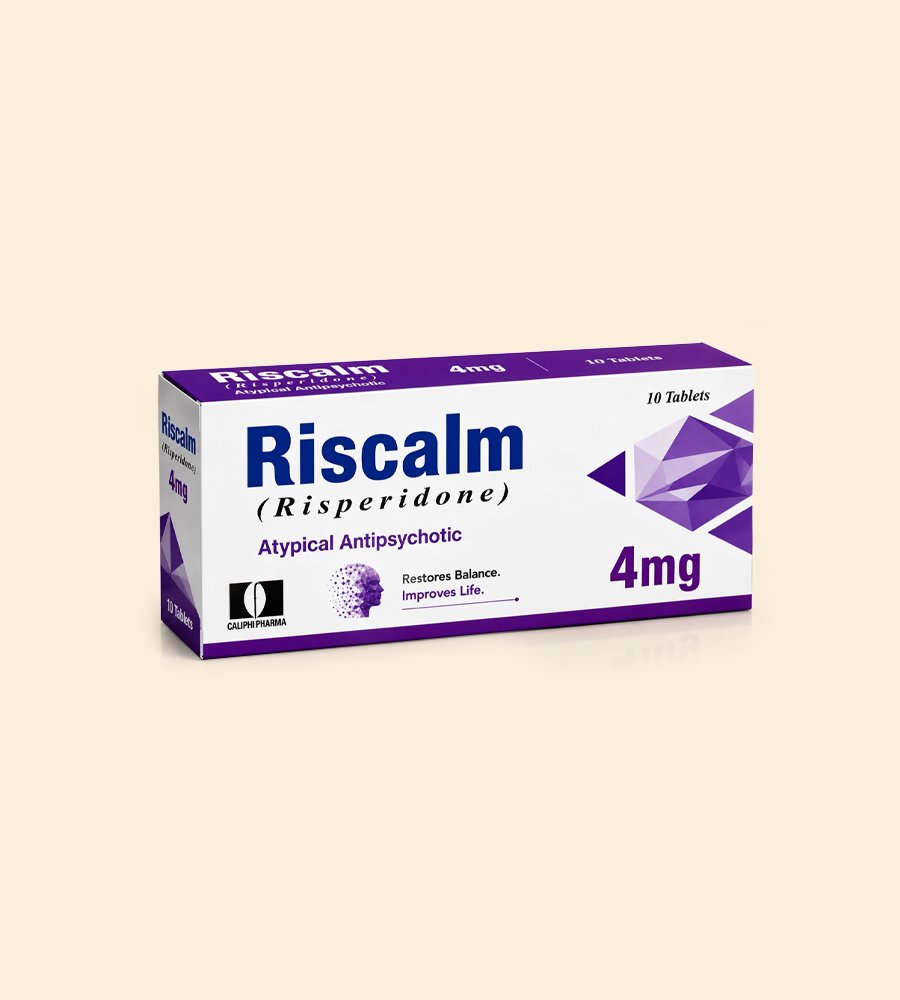
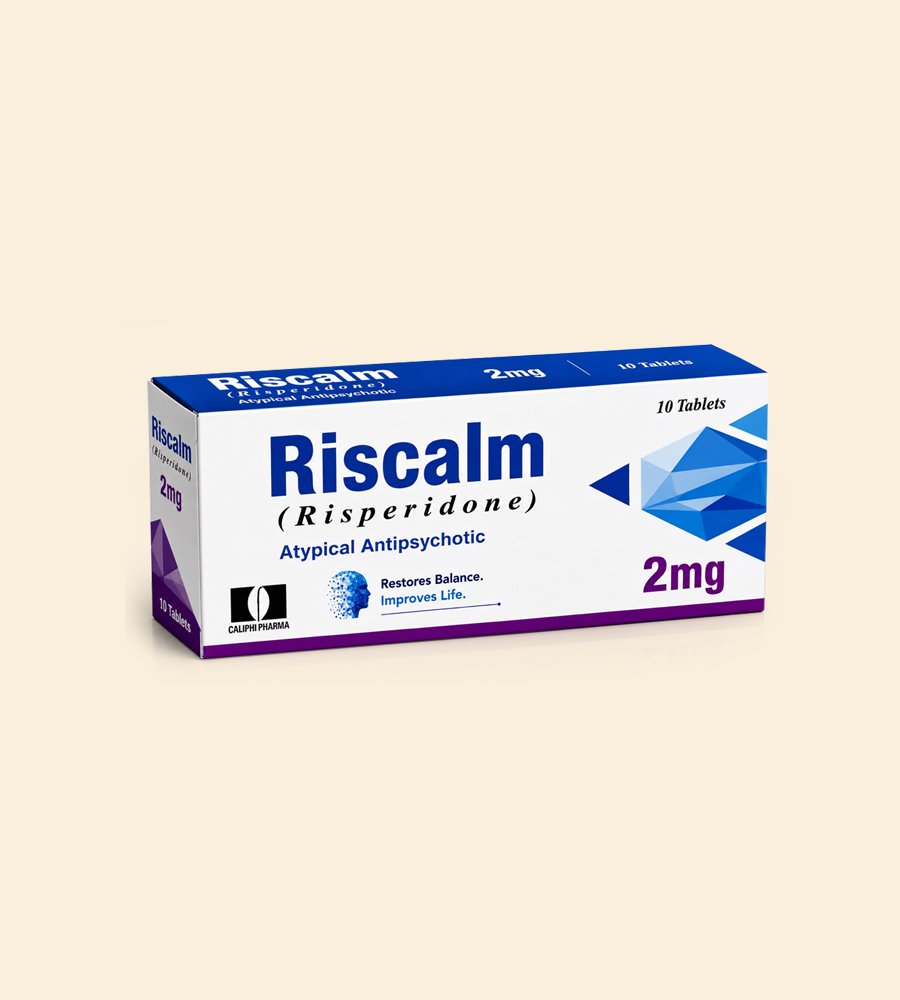
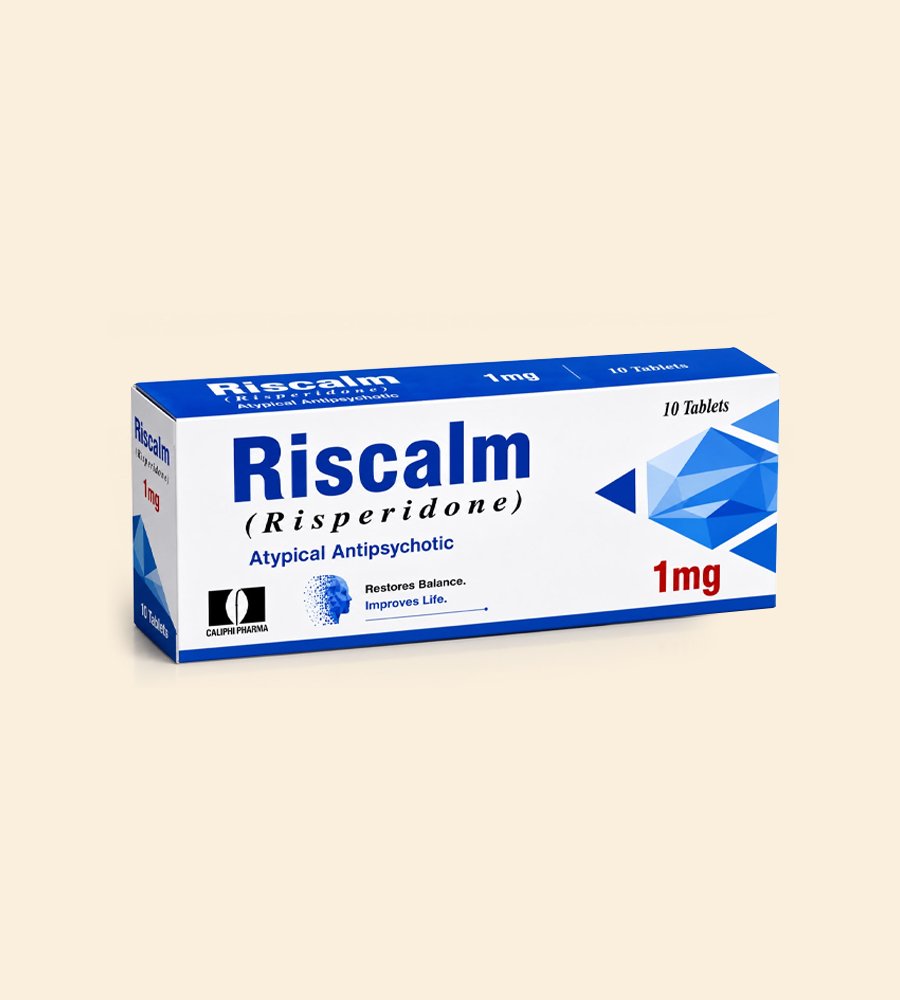
RISCALM 3 mg — 10 tablets, as shown on the supplied pack.



Reviews
There are no reviews yet.